
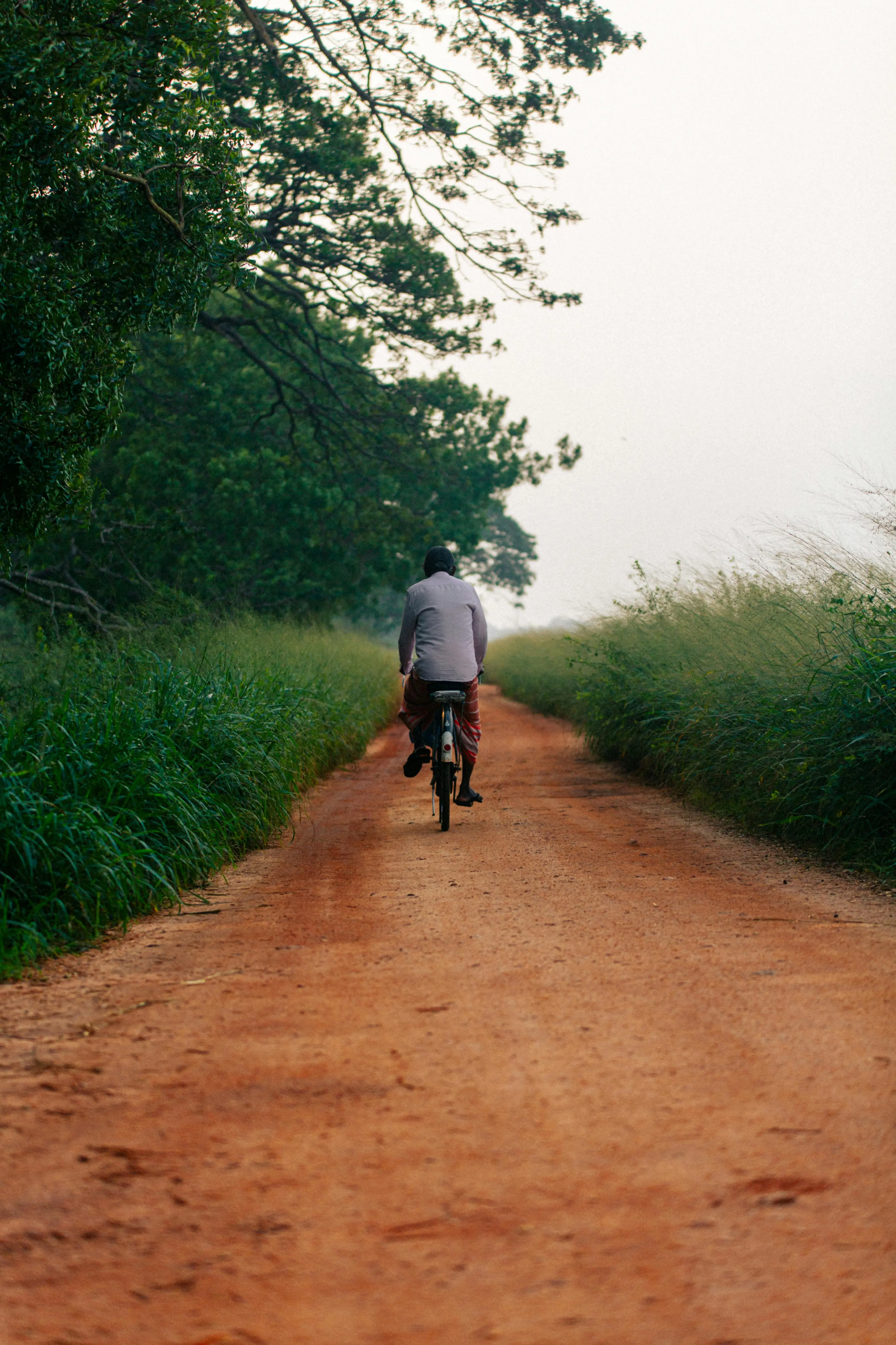
Some of the most memorable Sri Lanka local experiences begin with a conversation — learning how a dish is prepared, hearing the story behind an ingredient, or watching an everyday skill shared with care. They happen in a family kitchen, at a carver's workbench, on a hillside tea estate, or in a village where life moves at a completely different pace. These are the moments that stay with you long after the photographs fade. Here is how to find them.
Key Takeaways
- Sri Lanka's most memorable experiences often come from genuine local interaction, not famous landmarks
- Cooking classes with local families offer the deepest insight into Sri Lankan culture and cuisine
- Traditional craft workshops — batik, mask carving, weaving, pottery — connect you to living traditions
- Tea estate experiences go far beyond tasting — picking, processing, and the human story behind Ceylon tea
- Village stays and homestays offer a completely different pace and perspective on Sri Lankan life
- Choose experiences that benefit local communities directly — family-run is usually better than hotel-organised
- The best local experiences begin with curiosity and respect
Why Local Experiences Matter
Travel that connects you with local people and traditions does something sightseeing alone cannot. It creates a real exchange. You learn how people actually live, and the people you meet gain income that stays in the community and the satisfaction of sharing something they love.
Sri Lanka is particularly well suited to this kind of travel. The culture is generous and welcoming. Its traditions in food, craft, farming and community life are practised daily, not staged for visitors. And the island is compact enough that a two-week trip can take in coastal fishing communities, highland tea estates, craft villages and city food culture.
Local Experience 1 — Food
Sri Lankan cuisine is one of the great undiscovered food cultures of Asia — deeply flavoured, technically skilled, and built on spices, coconut and fresh ingredients. The best way to understand it is to learn how it is made.
Cooking Classes with Local Families
Family-run cooking classes are the most authentic food experience Sri Lanka offers. Usually held in a home kitchen rather than a cooking school, they show you the everyday dishes families actually eat.
What a typical family cooking class includes:
- A morning market visit to buy fresh ingredients — watching your host choose spices, coconut and vegetables is an education in itself
- Hands-on preparation of 4–6 dishes — grinding spice pastes, tempering mustard seeds and curry leaves in hot coconut oil, scraping fresh coconut
- Sitting down to eat what you made together — often the most relaxed conversation of the whole trip
- Recipes to take home so you can recreate the dishes later
What you will likely cook:
- Rice and curry — the national dish, with several curries each prepared separately
- Pol sambol — fresh coconut relish, the essential Sri Lankan condiment
- Dhal curry — spiced red lentils, a staple at every meal
- A fish or chicken curry — the spice paste is the heart of the lesson
- Hoppers — bowl-shaped rice flour pancakes, if your host has a hopper pan
Where to find family cooking classes: Galle, Kandy, Ella and Colombo all have family cooking class options. The best are often found by word of mouth — ask your guesthouse host where visitors are welcomed into real home kitchens.
Street Food Walks
A guided street food walk turns eating into a shared education. A good guide knows which stalls have been running for decades, what makes each vendor's version distinctive, and the history behind each dish.
Best cities for street food walks:
- Colombo — Pettah for the most authentic experience, Galle Face Green for sunset street food
- Kandy — the market area and surrounding streets
- Galle — the streets outside the fort walls, for local food at local prices
For a full guide to what to eat and where read our Sri Lanka Street Food Guide.
Spice Garden Visits
Sri Lanka was a spice island that colonial powers fought over — cinnamon above all. Visiting a working spice garden with a knowledgeable guide connects you to that history in a very tangible way.
A good spice garden visit includes:
- Walking among growing plants and learning to identify spices by leaf, bark and smell
- Hearing how each plant is used in traditional Ayurvedic practice
- Seeing how cinnamon — Sri Lanka's most famous spice — is peeled and rolled by hand
- Tasting fresh spices before buying any to take home
Best area: Matale, between Kandy and Sigiriya, is the heart of Sri Lanka's spice country. Gardens here range from small family operations to larger visitor-focused ones — the smaller ones usually feel more genuine.
Local Experience 2 — Craft
Sri Lanka has craft traditions that go back centuries. Batik, carved masks, brass work, lacquerwork, handloom weaving and pottery are still practised by families who pass the skills down through generations. Meeting the makers turns a souvenir into something with meaning.
Batik
Batik — applying wax to fabric before dyeing to create patterns — reached Sri Lanka through trade with Southeast Asia and developed its own style of bold tropical motifs and vivid colours.
Where to experience batik:
- Kandy — several workshops around the city demonstrate the wax-resist process
- Colombo — established batik studios and shops around the city
- The south coast — small batik workshops operate in towns around Galle and Mirissa
What a batik workshop involves: Learning to apply hot wax with a traditional tool, understanding how resist-dyeing builds a pattern, and making a small piece to take home. It is harder than it looks — do not expect perfection first time — but completely absorbing.
Traditional Masks — Ambalangoda
The town of Ambalangoda on the southwest coast is the centre of Sri Lanka's mask carving tradition. Brightly painted wooden masks have long been used in traditional healing rituals and folk dance-dramas, and families here have carved them for generations.
What to do in Ambalangoda:
- Visit the Ariyapala Mask Museum — a fascinating collection with explanations of the rituals the masks were made for
- Watch carvers at work in family workshops — the detail and skill are remarkable
- Buy directly from a carving family so the money goes to the maker
Each traditional healing mask represents a specific spirit linked to a particular illness. Understanding the symbolism makes them far more than decorations.
Handloom Weaving
Traditional handloom weaving produces the cotton fabrics used in Sri Lankan dress and homes. Watching a skilled weaver at a wooden loom is hypnotic — and many carry the pattern in memory rather than on paper.
Where to find handloom weaving:
- The Kandy area — villages in the surrounding hills keep weaving traditions alive
- Jaffna in the north — Tamil weaving traditions produce distinctive textiles
Traditional Pottery
Clay water pots, cooking vessels and oil lamps have been made in Sri Lanka for over 2,000 years, and some villages still shape them by hand.
Where to experience traditional pottery:
- Molagoda, on the Colombo–Kandy road near Kegalle, is known for roadside pottery stalls and family workshops
Trying the wheel under the guidance of a potter who has done it since childhood is humbling, funny and memorable in equal measure.
Local Experience 3 — Tea
Ceylon tea is one of the most recognised products in the world, and the hill country it grows in is one of the most beautiful landscapes in Asia. Most visitors only see it from a moving vehicle. Going deeper reveals a human story as rich as the scenery.
Tea Picking
The image of a tea picker moving through rows of waist-high bushes with a basket on her back is one of the defining images of Sri Lanka. Behind it is a skilled, physically demanding job.
What tea picking involves: Pickers take only the top two leaves and the bud of each shoot — the classic "two leaves and a bud". It has to be done cleanly and quickly, day after day, across steep hillsides.
How to experience it: Several estates around Ella, Nuwara Eliya and Haputale offer guided picking sessions — joining pickers in the field, learning the technique, and understanding the daily rhythm of estate life.
It is harder than it looks. Most visitors gather only a small fraction of what a skilled picker does — which is itself a lesson in the skill and endurance the work requires.
Tea Factory Visits
From field to cup, tea goes through several stages — withering, rolling, oxidation, drying and grading — that turn a fresh green leaf into the black tea in your cup.
What a good tea factory tour covers:
- Each stage of processing, explained as you walk through the factory
- How oxidation shapes flavour and colour
- What the grading codes on packaging (such as OP, BOP and BOPF) actually mean
- A side-by-side tasting — the differences between grades are bigger than most people expect
Well-known estates to visit:
- Mackwoods Labookellie Tea Estate on the Kandy–Nuwara Eliya road — convenient, with sweeping hillside views
- Pedro Tea Estate near Nuwara Eliya — one of the older estates in the area, with an atmospheric factory
Tea Plantation Walks
Walking through a working estate at dawn — mist still on the hills, pickers starting their day — is hard to describe and impossible to forget.
Several estates around Ella and Haputale offer guided walks that go beyond the factory — visiting picking areas, explaining how altitude affects flavour, and showing the estate as a working community rather than a backdrop.
The Ella to Kandy train journey runs through the heart of tea country — the views from the window give a sense of the landscape's scale that no road journey matches.
Local Experience 4 — Village Life
Away from the tourist trail, Sri Lankan village life runs on completely different rhythms. A day spent in a village — helping on the farm, sharing a meal cooked over a wood fire, sitting with a family in the evening — offers a perspective no temple visit or train ride can.
Village Stays and Homestays
Staying with a local family changes the whole texture of a trip. You eat what the family eats and spend your evenings in real conversation rather than a hotel restaurant.
What a good homestay offers:
- Home-cooked meals using ingredients from the garden or local market
- A chance to join daily tasks — cooking, farming or fishing depending on the place and season
- Genuine conversation and the famous warmth of Sri Lankan hospitality
- A window into everyday life that sightseeing cannot give you
Where to find good homestays:
- Ella and the surrounding hill country villages
- Fishing villages on the south and east coasts, around Tangalle and Arugam Bay
- Rice farming villages in the north-central region around Anuradhapura and Polonnaruwa
Paddy Farming Experiences
Rice cultivation has shaped Sri Lanka's landscape and calendar for over 2,000 years — the great ancient reservoirs of the Cultural Triangle were built to support it. Joining in, even briefly, connects you to something fundamental about the island.
What paddy farming experiences can include:
- Ploughing — some villages still use buffalo to work flooded fields
- Transplanting — moving seedlings into the main field, knee-deep in warm mud
- Harvesting — cutting ripe paddy with a sickle alongside the farming family
What you can join depends on the season. These experiences are best arranged through local guesthouses or community tourism groups.
Fishing Community Experiences
Sri Lanka's coastal communities keep traditions in boat building, net making and fishing that have changed little over generations. The stilt fishermen of the south coast, between Koggala and Weligama, are the famous image, but the wider fishing culture is richer than that single photo suggests.
Genuine fishing community experiences:
- Early morning fish markets — Negombo's market is one of the largest in Sri Lanka, busiest as the night's catch comes in
- Outrigger canoe trips — heading out with a fishing family on a traditional boat
- Net mending — fishermen repairing nets on the beach are often happy to show visitors how it is done
How to Find Authentic Local Experiences
The difference between an authentic experience and a staged one is not always obvious. Here is how to find the real thing.
Ask your guesthouse host. Family-run guesthouses are part of their local community. Your host almost certainly knows a cook, craftsperson or farming family who welcomes visitors.
Look for small and family-run. The best experiences are run by people for whom this is meaningful, not a performance. A home kitchen usually beats a purpose-built school.
Follow repeated local recommendations. If your driver, your host and someone at the next table all recommend the same spice garden or workshop, that is a reliable signal.
Pay fairly. Pay the asking price without hard bargaining, and tip when the experience is good. The money stays in the community.
Be curious and patient. The best moments are unscripted — a question asked with real interest, a willingness to try something badly before getting it right, a shared laugh over a lopsided hopper.
Combining Local Experiences with Your Itinerary
Local experiences work best woven into your route rather than added as extras. A cooking class on your first morning in Kandy sets the tone for the hill country. A tea picking session before the train gives the plantations a human face. A village evening after a day of ancient ruins grounds that history in something living.
For help building an itinerary that combines local experiences with Sri Lanka's best destinations:
- Where to Start in Sri Lanka — heritage, wildlife, tea country or coast
- Sri Lanka First Timers Travel Guide — complete practical planning guide
- Best Places to Visit in Sri Lanka — destinations across the island
- Sri Lanka Street Food Guide — what to eat and where to find it
- Ella to Kandy Train Journey Guide — the unmissable hill country railway
- Kandy Esala Perahera Complete Guide — Sri Lanka's greatest cultural festival